Raccoon Island, Miami — The Complete Guide
Raccoon Island is the local nickname for a small, uninhabited island in Biscayne Bay north of Miami where wild raccoons live. There is no bridge or road: you reach it only by boat, kayak or paddleboard, on a guided tour that runs $74–$140 per person. Here is everything worth knowing before you go.
Raccoon Island is the local nickname for a small, uninhabited spoil island in Biscayne Bay north of Miami, where a colony of wild raccoons lives in the mangroves with essentially no natural predators. It’s not an official park, not a nature preserve, and not a destination with facilities — it’s just an island in open water that raccoons call home and tours reach by boat, kayak or paddleboard. That single fact — only by water, no bridge or road — shapes everything about visiting.
What Raccoon Island actually is
Raccoon Island sits in Biscayne Bay in the North Miami area. It’s small, uninhabited, has no facilities (no restrooms, no dock, no shops), and belongs to no single owner or operator. The island is named for the wild raccoons that live on it. Tour operators book passages to it via GetYourGuide, but they don’t control the island or its wildlife.
You can visit, but only on a guided tour. There is no bridge, no road, no ferry terminal, and no public dock. Access is by watercraft only: boat, kayak, paddleboard (SUP), or jet ski. Tours depart from Miami and North Miami marinas depending on the operator.
Why the raccoons are there and why they thrive
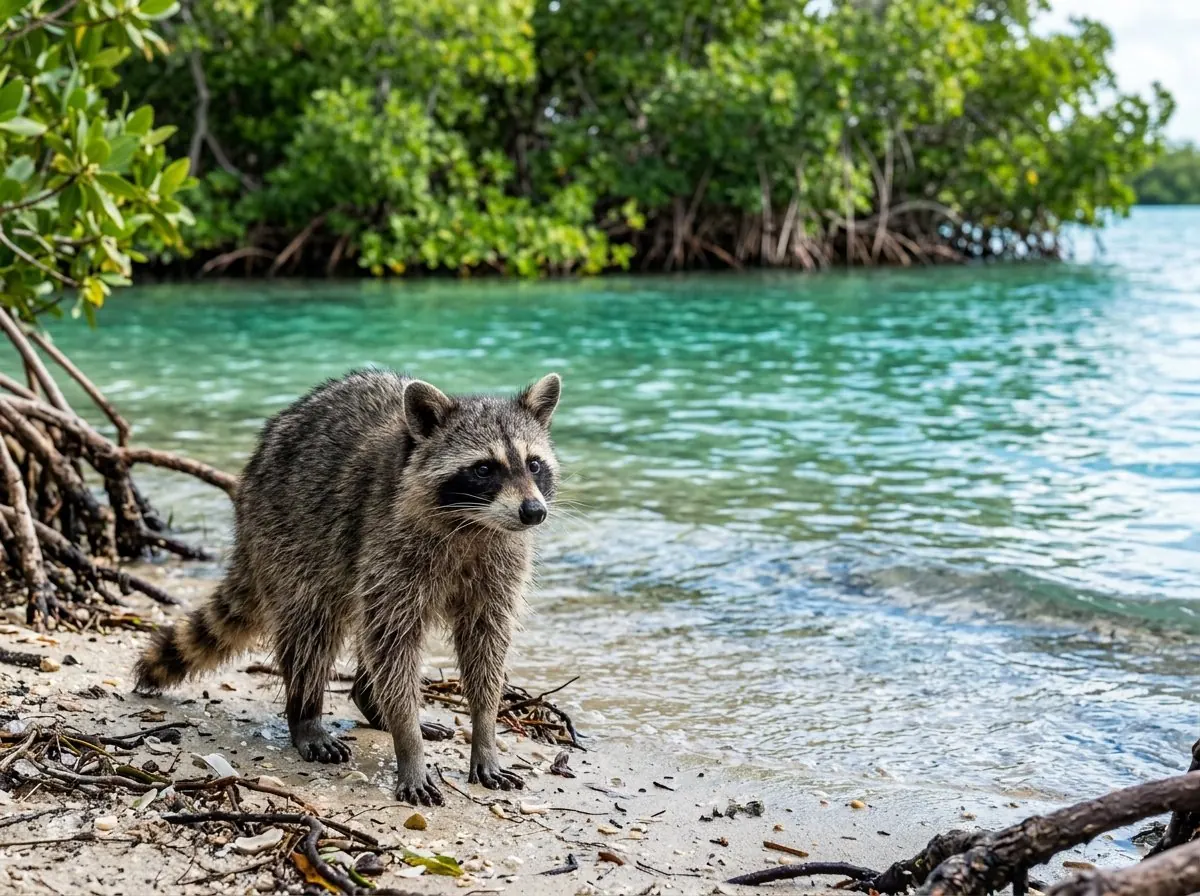
Raccoons are native to Florida. They swim well and naturally colonize islands when the habitat suits them. Raccoon Island, with its mangrove shoreline and isolation from land predators, became a permanent settlement. The lack of natural predators — there are no big cats, bears or wolves in Biscayne Bay — means the raccoon population is bold and highly visible at the water’s edge, especially during dawn and dusk. Visitors reliably see them, which is why the island has become a tourism draw.
How to get there: boat, paddle or both
Every tour reaches the island by water. The core difference between tours is whether you paddle yourself or stay in a boat.
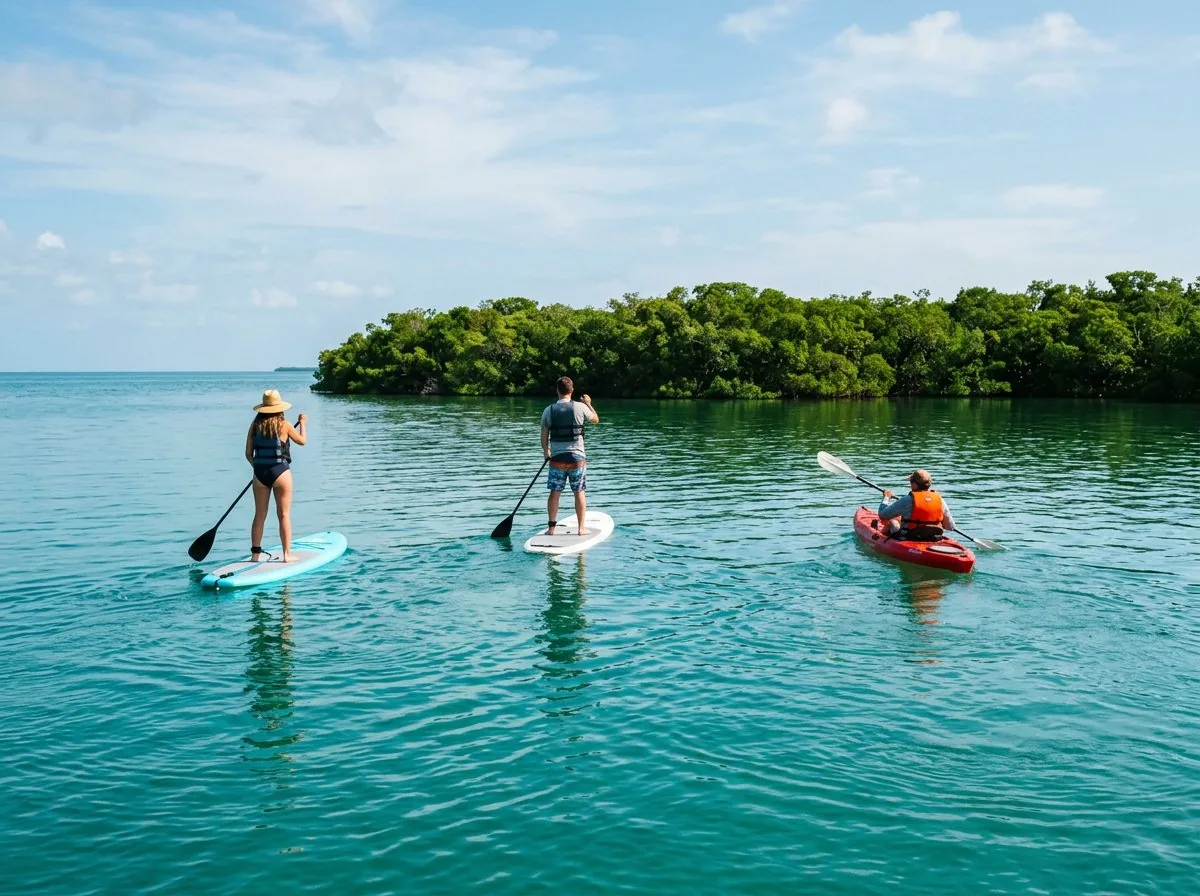
Paddle tours: You launch from a marina in a kayak, paddleboard (SUP), or both, then paddle a guided route into Biscayne Bay. Once on the water, the paddle to Raccoon Island itself is a few hundred metres. These tours run about 3 hours and get you closest to the raccoons — you’re at water level and can approach the shoreline. The trade-off: you get wet and need basic paddle fitness.
Boat tours: You board a cabin cruiser or deck boat and head out into the bay. Boat-based tours reach the island in minutes and either cruise past, anchor nearby for a swim or floating mat stop, or circle the island. These run 90 minutes to 4.5 hours depending on what’s included (some tours add stops at celebrity mansions or sandbars). The trade-off: you stay dry but you’re farther from the raccoons.
The wildlife you may see
Raccoons: You will see them on every tour. They are reliably present at the shoreline, especially around dawn and dusk. They are wild animals and can look more relaxed than zoo raccoons, but they are not tame. Never feed or touch them.
Dolphins and manatees: Bottlenose dolphins and West Indian manatees frequent Biscayne Bay. You often spot one or both on the crossing to the island, but they are never guaranteed. If you see them, your guide will point them out.
Other wildlife: Pelicans, cormorants, iguanas, and on the private tour, occasionally escaped macaws from nearby Miami-based breeders.
The one critical rule: do not feed or touch the raccoons
Raccoons are wild animals. They may look approachable, but feeding or touching them carries real risk. Raccoon bites and scratches can transmit rabies, a fatal disease if untreated. If bitten or scratched, wash the wound with soap and water immediately and seek medical care without delay. Rabies is preventable with prompt post-exposure treatment, but only if you act fast.
Keep food sealed, don’t leave trash on the island, and keep your distance. Kids should stay with the guide at all times. Your tour operator will brief you on this before you depart.
Season and weather
Best time: November through May. Lighter winds, lower humidity, calmer water, and cooler temperatures make this the prime season for paddling and boating.
Summer and fall: June 1 through November 30 is Atlantic hurricane season. Summer brings afternoon thunderstorms, stronger winds, and higher heat. Tours run in this season too, but the water is rougher and weather can cancel trips on short notice.
Book ahead in peak season (Nov-May); same-day works off-season. Tours run all year, weather permitting.
Is Raccoon Island worth it?
Yes, if you want wildlife, water, and a sense of wild Biscayne Bay. No, if you expect a manicured destination or a built-out attraction. The island has no facilities, no shade, no visitor infrastructure. You bring what you need and take your trash out. The raccoons are wild, not tame, and may keep their distance if they feel crowded.
What you get: a morning or afternoon on the water in open bay, a real encounter with wild animals in their habitat, dolphins and manatees if you’re lucky, and guides who know the channels and wildlife. If that sounds like your kind of outing, book. Tours cost $74–$140 per person or $359 for a private group. Check live dates and availability.
Ready to book?
Compare all six tours, weigh the paddle trips against the boat cruises, or check dates below.
Frequently asked questions
Is Raccoon Island a real place?
Yes. It’s a small uninhabited island in Biscayne Bay, north of Miami. “Raccoon Island” is an unofficial local nickname, not an official park name, earned by the colony of wild raccoons that live there. See how to get there.
Can you walk or drive to Raccoon Island?
No. There is no bridge, road or public dock. The only way is by water — boat, kayak, paddleboard or jet ski — which is why nearly everyone visits on a guided tour.
Is Raccoon Island worth visiting?
If you want to see wild raccoons up close and spend a few hours on Biscayne Bay, yes. If you expect a beach with facilities, no — it has none. Read the honest is-it-worth-it verdict.